
Why Choose to
Study Abroad?
Studying abroad opens doors to global education systems, multicultural exposure, and internationally recognized degrees. Students gain advanced academic knowledge, practical skills, and global work experience that significantly improve career prospects.
Key Benefits:
Globally recognized qualifications
Access to top-ranked universities
International career & PR opportunities
Advanced research & infrastructure
Cultural exposure & personal growth

Top Study Abroad
Destinations

Study in UK
Post-study work & top universities
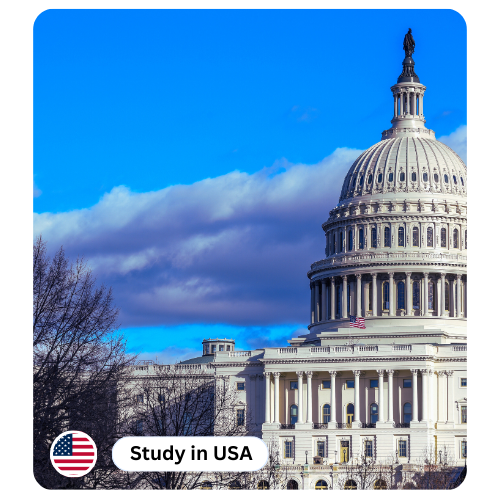
Study in USA
Research-driven education
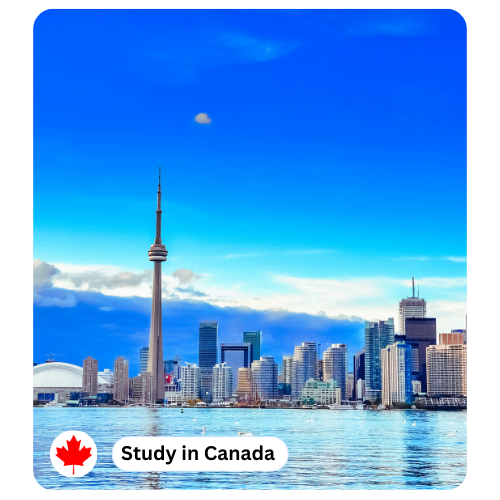
Study in Canada
PR-friendly policies
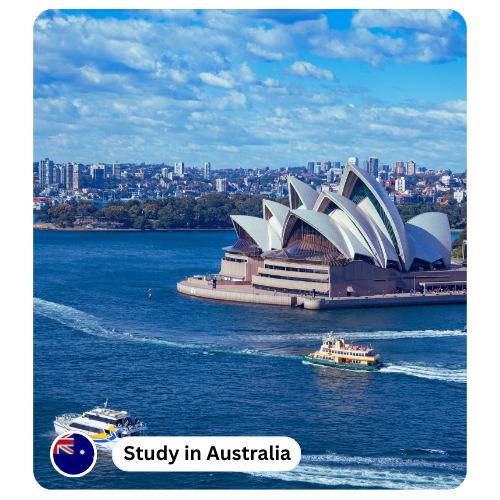
Study in Australia
Work-study balance

Study in Europe
Affordable education

Study in Ireland

Study in Netherlands

Study in France

Study in Malta
Eligibility Criteria &
Study Intakes


Eligibility Criteria
-
Academic qualifications (10+2, Graduation) -
English proficiency (IELTS / TOEFL / PTE) -
Statement of Purpose (SOP) -
Letters of Recommendation (LOR)

Study Intakes
-
Fall Intake : September (Primary) -
Spring Intake : January -
Summer Intake : May (Limited courses)
Your Study Abroad Partner
at Every Step
Free profile evaluation
Country & course shortlisting
University applications
Visa documentation & filing
Education loan & accommodation support
Pre-departure briefing
Start Your
Study Abroad Journey Today !
FAQs
Which country is best for studying abroad?
Germany is widely known for affordable or even tuition-free education in many public universities. France and Norway also offer low-cost education options, especially for European Union (EU) students, while Canada and New Zealand provide a balanced mix of quality education and reasonable living costs.
What are the requirements to study overseas?
– The most commonly accepted English proficiency tests are:
IELTS (International English Language Testing System)
TOEFL (Test of English as a Foreign Language)
PTE (Pearson Test of English)
Can I study abroad without IELTS?
Yes, it is possible to study abroad without IELTS. Many universities accept alternative English language tests or offer IELTS waiver options. However, IELTS is still the most widely accepted test, so it is best to check university requirements before applying.
How much does it cost to study abroad?
The cost of studying abroad varies depending on the country, university, course, and lifestyle. On average, Indian students can expect to spend between ₹20 lakh to ₹60 lakh (INR) for a 2-year master’s program, including tuition fees and living expenses. For undergraduate programs, the cost may range from ₹30 lakh to ₹80 lakh or more, depending on the destination and university.